
The conversation about cannabis is no longer reserved for medical circles or underground forums. It’s mainstream now. Everywhere you look, people are curious about what separates CBD from THC, why one is legal in some places while the other isn’t, and whether the laws in 2025 are finally catching up with the science. The phrase CBD vs THC pops up constantly, but the nuances often get lost. Some assume they’re almost the same, while others think they couldn’t be further apart.
I’ll admit, when I first tried to wrap my head around cannabinoids, it felt like reading another language. Terms like delta-9, full-spectrum, non-intoxicating, or even “hemp vs cannabis” can be overwhelming. But once you break it down, the picture clears. CBD and THC are just two members of a much larger family of compounds, each with its own quirks. Understanding those quirks—especially in the context of changing laws—matters if you’re using cannabis products or even thinking about entering the industry.
This article dives deep into the differences, similarities, and 2025 legal frameworks around CBD and THC. Along the way, we’ll clear up common myths, talk about safety, and highlight what the latest regulations mean for everyday consumers.
What Are Cannabinoids, Really?
Before we jump into CBD vs THC, it’s worth pausing for a moment on cannabinoids as a whole. Cannabinoids are chemical compounds found in cannabis plants. They interact with our endocannabinoid system (ECS), a complex network in the body that regulates mood, sleep, appetite, and even immune function.
There are more than a hundred cannabinoids discovered so far, but THC and CBD dominate conversations. That’s not surprising—they’re the most abundant and the most studied. THC is psychoactive; CBD is typically described as non-intoxicating. But that quick summary leaves out the finer details.
Think of cannabinoids as different keys, each fitting into the body’s locks (the receptors). Some keys cause dramatic effects, while others open the door more quietly. That’s why a good THC comparison with CBD is more than just “high vs no high.”
Psychoactive vs Non-Psychoactive: The Core Divide
Here’s the part everyone seems to know: THC can get you high, CBD can’t. It’s the classic psychoactive vs non-psychoactive conversation. But what does that really mean?
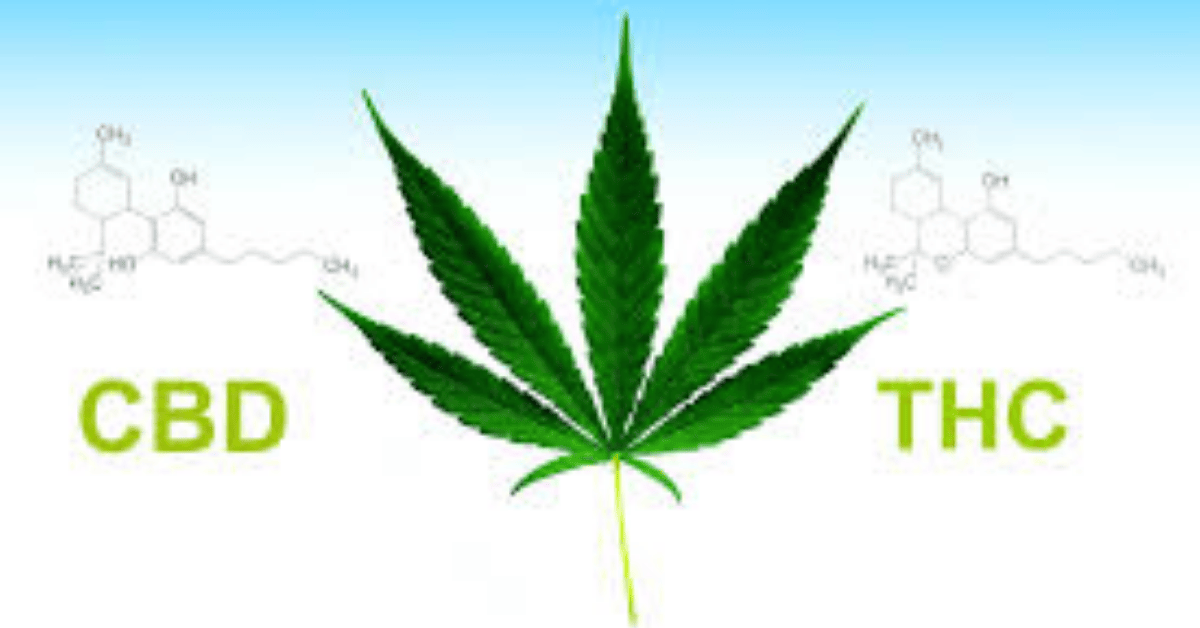
Delta-9-THC (usually just called THC) binds strongly with CB1 receptors in the brain. That binding is what produces euphoria, altered perception, and the “stoned” effect. CBD, on the other hand, interacts differently. It doesn’t fit neatly into those receptors, which is why you don’t feel intoxicated.
Still, it’s not as black-and-white as it sounds. Some people say CBD gives them a mild “CBD high,” though most scientists argue it’s more of a calming, non-intoxicating effect rather than a buzz. This nuance is why phrases like CBD vs THC can sometimes oversimplify the discussion.
Hemp vs Cannabis: Same Plant, Different Rules
Here’s a confusing part: hemp and cannabis are technically the same species, Cannabis sativa. The difference lies in THC content. Under U.S. law, hemp contains less than 0.3% delta-9-THC by dry weight. Anything above that threshold is cannabis, which falls under stricter regulations.
This definition shapes everything from hemp legality to the market for legal cannabinoids. It’s why you’ll find CBD gummies in your local wellness store but THC-rich edibles only in licensed dispensaries.
If you’re building a business around hemp or cannabis, getting clarity on this line is critical. Even small mistakes in labelling can impact dispensary SEO strategies or advertising campaigns, as explained in guides like Cannabis PPC 2025: Ads That Lower Costs & Win Clicks.
Legal Status of CBD vs THC in 2025
One of the biggest questions people still ask: what’s legal, what’s not?
-
CBD: At the federal level in the U.S., hemp-derived CBD remains legal under the 2018 Farm Bill, but only if it contains under 0.3% THC. That’s the federal CBD legality line. However, state laws on CBD vary widely. Some states embrace CBD fully, while others regulate it more tightly.
-
THC: Recreational THC is now legal in more than half the states, with 2025 seeing new ballot wins. Medical cannabis programs are also expanding. Still, the THC laws of 2025 keep it federally illegal. The tension between state and federal rules continues to complicate business operations.
For entrepreneurs, this legal split requires a strategic approach. You can’t run a cannabis e-commerce site without considering compliance. Resources like CBD eCommerce SEO Pages That Drive More Sales Fast help companies stay ahead.
Full-Spectrum Effects: The Entourage Factor
CBD and THC rarely act alone in nature. Many products today use full-spectrum extracts, which include a blend of cannabinoids, terpenes, and other plant compounds. The theory is that these work together in what’s called the entourage effect.
Here’s where things get interesting: even trace amounts of THC in a full-spectrum CBD product can influence effects. That’s why some consumers prefer broad-spectrum or isolates, avoiding THC altogether. Understanding the differences between CBD and THC in this context requires knowing your personal goals. Do you want relaxation without risk of intoxication? Or do you believe a little THC adds therapeutic power?
Safety and Everyday Concerns
For many, the real questions are practical: Will CBD show up on a drug test? Can I safely drive after using it?
-
Drug test CBD: Most standard drug tests look for THC, not CBD. However, if your CBD product has even tiny traces of THC, there’s a chance it could trigger a positive.
-
CBD safe driving: Since CBD is non-intoxicating, it’s generally considered safe for driving. But large doses may cause drowsiness in some people.
-
THC, of course, is different. Driving under the influence of THC remains illegal and unsafe.
It’s these details that highlight why understanding cannabinoids goes beyond the surface.
Common CBD Myths
Let’s clear up a few recurring myths:
-
“CBD works instantly.” Not always. Effects vary by body type, dose, and product type.
-
“CBD and THC are basically the same.” The whole CBD vs THC debate proves otherwise.
-
“CBD is always legal.” Not true—state laws matter.
-
“CBD can’t cause side effects.” While mild, some users experience fatigue or digestive issues.
-
“CBD will get you high.” Nope. Unless it contains significant THC, CBD is non-intoxicating.
Industry Perspective in 2025
From a business standpoint, CBD and THC present different challenges and opportunities. Recreational THC thrives in states where it’s legal, with dispensaries competing on branding, local SEO for cannabis, and delivery models. Meanwhile, medical CBD markets continue to expand globally, with wellness consumers seeking plant-based alternatives.
Companies investing in content strategies, such as Cannabis Content 2025: Build SEO Hubs That Outrank, are finding ways to educate their audiences while building trust.
Why This Debate Isn’t Ending Anytime Soon
Even with all the progress, the CBD vs THC conversation isn’t wrapping up in 2025. Legal frameworks remain uneven, scientific studies are ongoing, and consumer experiences vary. Some states push forward with broader legalisation; others hold back.
That means businesses, policymakers, and consumers must remain flexible. For dispensaries, tools like Dispensary SEO 2025: Boost Local Map Rankings & Traffic are more than just marketing—they’re survival strategies in a crowded space.
Key Takeaways
-
CBD vs THC remains the central comparison in cannabis discussions, shaping legal and cultural debates.
-
CBD is federally legal if hemp-derived, but state laws on CBD vary widely. THC is still federally illegal despite state-level wins.
-
Full-spectrum effects mean CBD products can contain trace THC, influencing results and drug tests.
-
Safety questions surrounding drug tests for CBD and the safety of driving highlight practical differences.
-
For businesses, mastering cannabis landing pages and local strategies is key to thriving in 2025.
Final Thoughts
The story of CBD vs THC is still being written. In 2025, we understand more than ever before, but questions remain. Is CBD truly non-intoxicating for everyone? Will federal legalisation of THC ever happen? And how will global markets shift as hemp and cannabis industries expand?
One thing is clear: both compounds will continue shaping health, wellness, and business. Whether you’re a curious consumer or an industry leader, staying updated matters. And honestly, perhaps the biggest lesson is that cannabis isn’t simple—it’s layered, evolving, and still surrounded by myths and misconceptions.
FAQs
1. What’s the main difference between CBD and THC?
THC is psychoactive; CBD is not. That’s the starting point of the CBD vs THC debate.
2. Is CBD legal everywhere in the U.S.?
No. While federal CBD legality is clear for hemp-derived CBD, individual state laws on CBD can be more restrictive.
3. Can CBD make you fail a drug test?
Pure CBD won’t, but full-spectrum products with trace THC might.
4. Does CBD help with medical conditions better than THC?
It depends. Medical CBD is often used for anxiety or inflammation, while THC may be more effective for pain.
5. Will THC ever be federally legalised?
As of 2025, THC laws 2025 keep it federally illegal. Future changes depend on politics, research, and public opinion.