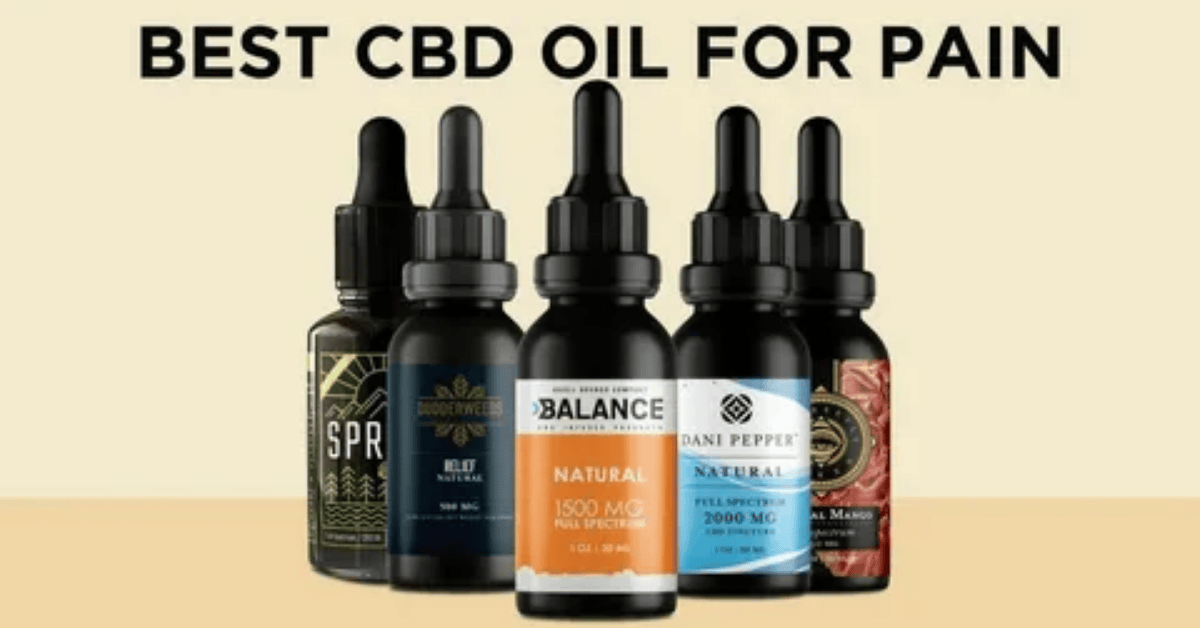

Pain is complicated. Some days it’s a dull ache you can ignore, other times it’s sharp enough to stop you in your tracks. Over the past few years, one question has popped up again and again: Can CBD really help?
By 2025, the market for CBD Oil for Pain is booming, but choosing the right product isn’t simple. There are oils claiming to work instantly, capsules promising all-day comfort, and even balms meant to melt away muscle soreness. Some sounds too good to be true. And honestly, sometimes they are.
This guide is about cutting through that noise. I’ve looked at what actually makes sense, what science says about pain relief CBD, and which oils are worth your attention this year. Along the way, we’ll talk about things like arthritis relief, back pain CBD options, and how fast-acting CBD stacks up against longer-lasting forms.
And because I know many readers also care about the industry side—whether you’re running a shop or simply curious about how businesses market CBD—I’ll share insights from resources like Dispensary SEO 2025: Boost Local Map Rankings & Traffic and Cannabis Content 2025: Build SEO Hubs That Outrank. Because education, after all, is part of the bigger picture.
Why CBD Is Linked to Pain Relief
The theory isn’t complicated: CBD interacts with the body’s endocannabinoid system, which helps regulate things like mood, sleep, and pain response. It doesn’t bind directly to CB1 and CB2 receptors the way THC does, but it influences them—kind of like nudging the body’s balance back toward neutral.
Research suggests CBD’s anti-inflammatory properties play a role here. Pain and inflammation often walk hand-in-hand, so reducing one usually eases the other. People with joint pain, muscle soreness, CBD concerns, or even neuropathy issues frequently report some relief.
But let’s be clear: CBD isn’t a miracle cure. It doesn’t erase pain in an instant. Think of it more as chronic pain support, something that works over time, especially when you’re consistent.
Types of CBD Products for Pain
Not all CBD products are created equal. Here’s a breakdown of what people commonly use when looking for CBD Oil for Pain in 2025:
-
Full-spectrum CBD oil: Includes all cannabinoids and terpenes, often preferred for the “entourage effect.”
-
CBD capsules for pain: Easy dosing, good for those who want a consistent routine.
-
CBD balm and topical CBD: Applied directly to sore areas, often chosen for arthritis relief or back pain.
-
Hemp oil pain formulas: Sometimes mixed with herbal ingredients for a more rounded inflammation remedy.
The choice often depends on the type of pain. Athletes with sore muscles may lean toward balms, while those with chronic pain support needs might prefer oils or capsules.
Our 2025 Picks: Best CBD Oils for Pain Relief
Now let’s dive into the actual recommendations. These aren’t sponsored picks—they’re based on reviews, transparency, and what makes sense when you look at ingredients and extraction methods.
1. Organic Full-Spectrum CBD Oil
-
Why it stands out: Certified organic hemp, third-party tested, no unnecessary additives.
-
Best for: People seeking a non-addictive pain treatment that works across general discomfort.
-
Use case: Chronic joint stiffness, daily stress-related pain.
2. Fast-Acting CBD Drops
-
Why it stands out: Nano-emulsion technology for quicker absorption.
-
Best for: Users who need quick discomfort relief, like sudden flare-ups.
-
Use case: Migraine onset, sudden back spasms.
3. CBD Balm with Menthol
-
Why it stands out: Combines CBD with cooling menthol and arnica.
-
Best for: Muscle soreness, CBD recovery after workouts.
-
Use case: Athletes seeking CBD solutions.
4. CBD Capsules for Pain
-
Why it stands out: Easy to measure, long-lasting effects.
-
Best for: People who prefer structured dosing and dislike the taste of oil.
-
Use case: Chronic pain support for arthritis or long-term conditions.
5. Full-Spectrum Hemp Oil for Pain
-
Why it stands out: Rich terpene profile, subtle earthy flavour.
-
Best for: Those wanting the entourage effect and whole-plant synergy.
-
Use case: Individuals seeking a plant-based inflammation remedy.
How to Choose the Right CBD Oil for Pain
It’s tempting to grab the first bottle labelled “pain relief,” but slowing down here pays off. A few things to keep in mind:
-
Check for third-party testing. You need to know what’s in it.
-
Look for full-spectrum CBD oil if you’re open to trace amounts of THC.
-
Consider lifestyle fit. Oils are flexible; capsules are convenient; balms are targeted.
-
Pay attention to reviews. Sites that focus on transparency, like Dispensary Reviews SEO: Get More 5-Star Ratings Fast, show how important consumer feedback has become.
Pain Types and CBD Solutions
Different pain types respond differently. That’s why CBD Oil for Pain isn’t one-size-fits-all.
-
Arthritis relief: Topical CBD or balms often help.
-
Back pain CBD: Oils or capsules give broader support.
-
Joint pain: A mix of capsules and topicals may work best.
-
Neuropathy CBD Oils often help with nerve discomfort.
-
Muscle soreness CBD: Fast-acting oils or balms are a go-to for athletes.
And here’s where business meets reality. Brands that create landing pages tailored to these specific pain categories, like Cannabis Landing Pages That Convert Ad Clicks to Sales, often perform better online because they directly answer user concerns.
Safety and Side Notes
One of the best things about CBD is that it’s generally considered safe. Most people tolerate it well. The most common side effects are mild—think drowsiness, dry mouth, or digestive shifts.
However, it's essential to consult a doctor if you’re taking other medications. Just because it’s natural doesn’t mean it’s risk-free. The phrase “non-addictive pain treatment” is accurate, but safety still matters.
The Bigger Picture: CBD in 2025
Pain management is personal, but it’s also big business. As regulations evolve, companies are getting smarter about how they present CBD Oil for Pain.
Things like GA4 Tracking for Dispensaries and CBD eCommerce SEO Pages are helping brands reach the right people. Delivery models are evolving, as shown in Weed Delivery SEO 2025.
For consumers, this means more access, better quality, but also more noise. Knowing what to look for helps you separate genuine options from marketing hype.
Key Takeaways
-
CBD Oil for Pain works by supporting the body’s natural systems, primarily through anti-inflammatory action.
-
Different forms—oils, balms, capsules—serve different needs like joint pain, muscle soreness, CBD, or neuropathy.
-
Choosing high-quality, organic CBD oil ensures safety and consistency.
-
For athletes, CBD recovery solutions are among the fastest-growing trends.
-
Businesses that educate—using SEO guides like Cannabis Content 2025—gain more trust.
Final Thoughts
CBD isn’t a magic bullet. But for many people, CBD Oil for Pain has become a safe, sustainable part of managing discomfort. Whether it’s arthritis relief, back pain CBD, or the need for a daily inflammation remedy, the right oil can make life a little easier.
In 2025, the best approach is still the same as ever: do your research, pay attention to quality, and be realistic about results. Pain is complicated. CBD won’t erase it, but it can soften the edges.
FAQs
1. Does CBD oil really help with pain?
Yes, many people use CBD Oil for Pain relief. It supports the body’s natural systems and may reduce inflammation.
2. What’s the difference between CBD balm and oil?
Oils are taken internally for overall balance, while balms target localised discomfort.
3. Is CBD safe for long-term pain management?
Generally, yes. It’s seen as a non-addictive pain treatment, though medical advice is always recommended.
4. What kind of CBD is best for arthritis?
Topicals and oils often work together to provide effective arthritis relief.
5. Can athletes safely use CBD?
Yes. CBD is commonly used by athletes, particularly for muscle recovery and alleviating soreness.